

Walking into the entrance area at Betmac Casino, I instantly confront a selection that determines the whole session: the table deserves my bankroll betmacc.com. It is not simply about finding an vacant seat. I evaluate game variant, dealer pace, minimum wager, and the delicate rhythm of play before committing a single chip. The UK player base spans from cautious newcomers to veteran punters pursuing specific strategies, and the platform’s layout mirrors that diversity. A structured table-selection process cuts through the noise and converts a arbitrary gamble into a methodical, enjoyable outing.
Checking Table Limits and Comparing Them to Your Bankroll
I consider table limits as the first hard filter in my choosing process, and I check them before the chair even gets warm. Betmac Casino shows minimum and maximum wagers clearly in the lobby thumbnails, and I utilize those numbers to preserve my session length. If I settle with a £100 bankroll at a £10 minimum blackjack table, I possess only ten losing hands before I get wiped out, which is way too thin for a relaxing evening. I choose a minimum that constitutes no more than two percent of my total session budget, providing me at least fifty betting units to handle variance.
The upper end counts just as much for players who chase winning streaks. A table restricted at £500 maximum might appear restrictive if I am accustomed to a progressive betting pattern that occasionally calls for a larger wager. Conversely, high-roller tables with £1,000 minimums stay unused for a reason; they are made for a bankroll tier most UK recreational players should not touch. I have observed too many punters pursue a premium experience and blow a month’s entertainment budget in fifteen minutes merely because they ignored the limit structure.
I also seek out tables that present a flexible range, for example £5 to £2,000. These are versatile and enable me start small during a choppy run and raise when the shoe warms up. Some live dealer studios run dedicated low-stakes tables with a £1 minimum, which I recommend for anyone mastering a new strategy or testing the platform’s streaming quality. Matching the limit to my bankroll is not about being stingy; it is about creating enough playing time to let skill and probability function properly.
Spotting the Right Seat Position at Live Tables
Seat position is important far more at a virtual live table than most players recognize, and I select mine based on the specific game and my strategic needs. At a seven-seat blackjack table, the spot immediately to the dealer’s right, known as third base, is the last to act before the dealer plays. That position carries no mathematical advantage, but it does attract social pressure because a decision to hit a hard sixteen against a dealer five can draw groans from players who misinterpret probability. I take third base only when I have the nerve to ignore the peanut gallery.
First base, the seat that receives cards first, suits me when I want to set a fast tempo and avoid watching others agonize over decisions. In baccarat, seat position is largely ceremonial since I am betting on the Player or Banker hand rather than making playing decisions, but I still favor a spot that gives me a clear view of the squeeze if the table offers it. Some Betmac Casino baccarat tables let the player with the highest wager on the Player hand perform a virtual squeeze, and sitting close to the action enhances that ritual.
For roulette, I stay away from seats where the camera angle obscures the wheel head or the ball track. A poorly framed view makes it harder to spot any visual cues I might utilize, such as the dominant diamond where the ball drops. I browse the available camera views before committing to a table, and if the default angle feels cramped, I move on. The right seat is the one that gives me clear information flow and keeps my decision-making process free from unnecessary friction.
Assessing Dealer Pace and Game Speed
Dealer pace is the subtle variable that can decide my profit target, and I measure it by observing a few rounds before I join. Some dealers at Betmac Casino operate a brisk, businesslike table where cards fly out and the wheel spins the moment the betting clock strikes zero. That tempo works for me when I am playing a mathematically grounded blackjack strategy and aim to build hands quickly. A fast dealer can provide fifty percent more hands per hour, which accelerates both my theoretical return and my exposure to the house edge.
However, speed is not invariably my ally. When I play roulette and enjoy placing neighbour bets across the racetrack, a slower dealer gives me the space to position my sectors accurately. I have overlooked a split bet on seventeen and eighteen more than once because a rapid-fire croupier closed the window early. I look for tables designated with terms like “Immersive” or “Grand” when I want a more deliberate rhythm, and I opt for “Speed” or “Rapid” variants when I am committed to a basic strategy and want efficiency.
I also account for the chat interaction dynamic. A dealer who interacts with players between spins slows down the game naturally, which can be a advantage during a losing streak because it lowers the rate at which I lose chips. On the flip side, excessive chatter when I am aiming to count cards or track a roulette bias transforms into a distraction. I observe the chat box for a minute and note whether the dealer answers to every message or remains focused on the mechanics. That small observation reveals me exactly what the next hour will entail.
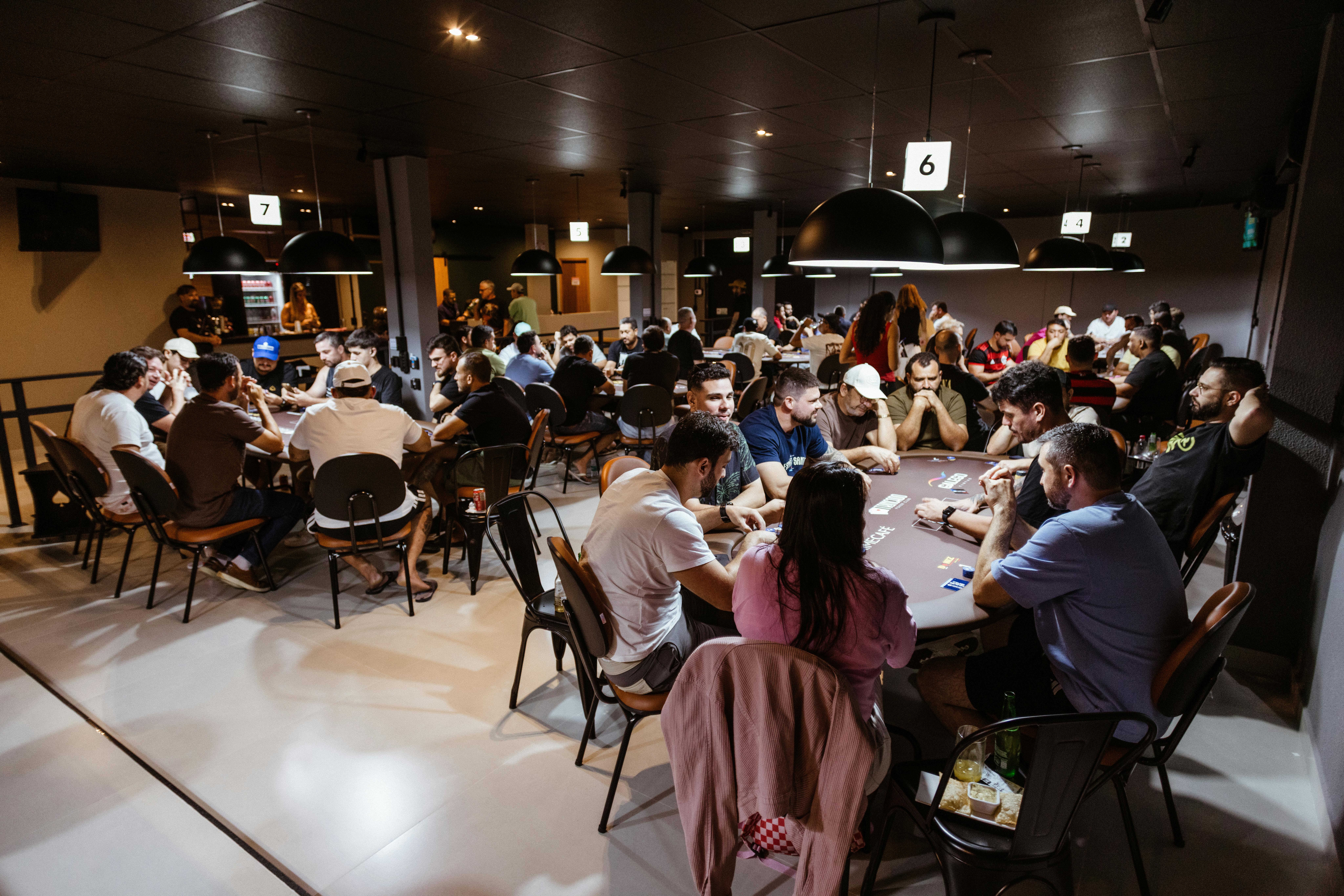
Comprehending the Entire Spectrum of Table Game Options
Before I so much as glance at an open seat, I map out the variants on offer because not all versions of a classic are created equal. At Betmac Casino, the live dealer section commonly hosts multiple styles of blackjack, roulette, and baccarat, each with subtle rule tweaks that shift the house edge. I could find European Roulette with its single zero sitting right next to American Roulette with its double zero, and that extra pocket nearly doubles the built-in advantage for the house. For a UK player, the European format is nearly always the mathematically sharper choice.
Blackjack tables fragment even further. I seek titles like Classic Blackjack, Speed Blackjack, or VIP variants. Speed Blackjack adds a faster decision-making order that fits my mood when I prefer rapid hands, but it can punish a distracted player. The VIP tables often offer higher limits and the option to surrender, a rule that allows me fold a bad hand and reclaim half my stake. If I disregard these variant labels and sit at the first table I see, I could accidentally play a version with a 6:5 blackjack payout instead of the traditional 3:2, which quietly erodes returns over a long session.
Baccarat tables maintain a similar pattern. I encounter standard Punto Banco alongside No Commission Baccarat and Speed Baccarat. No Commission tables take away the 5% vig on winning Banker bets but often introduce a push rule when the Banker wins with a six, paying only half. That tweak alters the expected value enough that I recalculate my approach before sitting down. Poker-based games like Casino Hold’em or Three Card Poker also sit in the mix, and I review the paytable for the bonus side bet because a stingy paytable makes the optional wager unplayable over time.
Roulette enthusiasts like me also gain from scanning for immersive variants. Some tables showcase slow-motion ball-drop replays and multiple camera angles that mirror a high-end land-based casino floor. These are not just cosmetic upgrades; they change the pace of the game. A slower, more theatrical round gives me more time to place complex call bets like voisins du zéro or tiers du cylindre without rushing. Understanding these variant differences is the foundation of picking the right table, and I never skip this step.
Examining Payout Structures and Rule Nuances
I rarely presume that two tables with the same name pay out identically, because the fine print of the rules can alter the house edge by a full percentage point or more. At Betmac Casino, I open the game rules or info panel before my first bet and scan for the blackjack payout ratio. A table that pays 6:5 on a natural blackjack instead of 3:2 adds roughly 1.4% to the house edge, and I decline to play it regardless of how attractive the dealer or the setting looks. That single rule check saves me money every session.
In roulette, I confirm whether the table uses the “la partage” or “en prison” rule on even-money bets. These French rules relate to single-zero wheels and lower the house edge on red, black, odd, even, high, and low wagers in half when the ball lands in zero. A European Roulette table without these rules is still decent, but one with them is definitely superior for outside bettors. I regularly hunt for tables that advertise these player-friendly conditions because they align with my preference for low-variance grinding.
Baccarat players should confirm the commission structure. A standard Banker bet pays 0.95:1 after the 5% commission, but some tables tweak this. I also examine the side bet paytables on poker variants. The Pair Plus bet in Three Card Poker, for example, can differ between operators, and a table that pays 40:1 on a straight flush instead of 30:1 is worth seeking out. These payout differences are not hidden; I just must have the discipline to read the help screen before the cards start flying.
Before I place a single chip, I review a quick mental checklist of the most impactful rule details:
- Blackjack payout: 3:2 only; reject any 6:5 table instantly.
- Roulette: one-zero wheel with la partage or en prison for even-money bets.
- Baccarat: standard 5% commission on Banker, or observe the push-on-six rule for No Commission tables.
- Poker side bets: check Pair Plus and bonus paytables against the optimal published structures.
- Surrender: available on blackjack tables where I want the option to fold bad hands.
Spotting Table-Specific Player Communities and Chat Dynamics
The social layer of a live table is simple to overlook, but I have found that the chat atmosphere directly affects my concentration and enjoyment. Some tables at Betmac Casino attract a quiet, focused crowd where messages are sparse and the dealer maintains a professional tone. That environment works for me when I am counting cards or testing a new progression system. Other tables develop a lively banter between regulars who greet each other by username, and the dealer plays along, creating a pub-like vibe that enhances a casual Friday night session.
I scout the chat history for red flags before I sit down. A table where one player constantly moans about others’ blackjack decisions or spams the dealer with aggressive messages is a table I stay away from. Negative energy shifts my mood even if my strategy remains sound. Conversely, a dealer who recalls returning players and offers genuine congratulations on a big win builds a loyalty that keeps me coming back to that specific table number.
Some game types naturally promote more interaction. Baccarat tables with the squeeze feature often have players cheering for a slow reveal, while roulette tables with racetrack betting see less chatter because everyone is focused on placing complex bets. I align my social appetite to the table’s natural rhythm. If I want solitude, I choose an early-morning table with low occupancy. If I want camaraderie, I join a peak-time table with a known dealer and a group of regulars who understand the game’s etiquette.
Considering Bonus Compatibility and Wagering Contribution
Not each table accepts my bonus balance with enthusiasm, and I have discovered to check wagering contribution percentages before I believe a table qualifies. At Betmac Casino, a welcome offer or reload bonus usually comes with terms that outline how much each game type counts toward the playthrough requirement. Slots practically always contribute one hundred percent, but table games commonly stand at a reduced rate, occasionally as low as five or ten percent. If I join a blackjack table thinking I am chipping away at a wagering target, I might be progressing slowly.
I go through the bonus terms for excluded games as well. Particular high-return variants like single-deck blackjack or low-house-edge roulette tables are occasionally barred from bonus play altogether. Participating in an excluded table with an active bonus can void the offer and any associated winnings, a difficult lesson I prefer to learn from other people’s forum complaints instead of my own account history. I hold a mental list of eligible tables before I start a promotion.
Even when a table adds completely, I figure out whether the strategy I plan to use aligns with the bonus structure. A sticky bonus that cannot be withdrawn requires a alternative approach than a cashable one, and high-volatility side bets might help me meet a tough rollover faster if the contribution rate allows it. I treat bonus compatibility as a filter that limits my table options, and I decline let a shiny promotional headline steer me toward a table that does not really fulfill my financial objective.
Reviewing the Streaming Quality and Technical Stability
A clever strategy collapses instantly if the video feed stutters during a pivotal decision, so I treat streaming quality a non-negotiable part of my table selection. Betmac Casino’s live dealer tables transmit from professional studios, and I evaluate the connection by viewing the wheel spin or the card shuffle for a full minute. I look for stable frame rates, lip-sync accuracy with the dealer’s audio, and the absence of buffering icons. A table that stutters even momentarily during peak UK evening hours is one I abandon immediately.
I also examine the user interface overlay that rests on top of the stream. The betting layout should react instantly when I press a chip denomination, and the timer bar must be visibly visible so I see exactly how many seconds stay to place a wager. Some tables provide a multi-camera view that allows me zoom in on the wheel or the shoe, and I try whether switching views introduces any delay. A seamless technical experience keeps me in a flow state, while a clunky one causes frustration that results to poor decision-making.
Mobile performance warrants its own scrutiny because a significant portion of UK players, myself included, often play on a phone or tablet. I access the same table on a mobile browser or the dedicated app and contrast the responsiveness. Tables that are optimized for portrait mode with large, thumb-friendly chip stacks receive my preference for on-the-go sessions. If the chat box hides the bet spots or the video trims awkwardly, I move to a different table or reserve that variant for desktop play only.
Getting the Hang of Lobby Tools and Building a Personal Table Rotation
The Betmac Casino lobby is full with options, and I have created a systematic method for sorting through the clutter using the available filter tools. I begin by selecting my game category, live blackjack for example, and then I arrange by minimum stake to eliminate tables outside my budget. This simple two-step filter shrinks a grid of forty tables down to a reasonable six or seven. I then check the thumbnail images for visual cues like the number of seats occupied and ca.wikipedia.org the dealer’s current shoe progress.
I also utilize the search bar when I am aware of exactly which variant I want. Typing “Speed Baccarat” or “Immersive Roulette” pulls up the specific table instantly, avoiding the scroll. The lobby often offers a “Recently Played” section that allows me to go back to a preferred table without repeating the filtering process. I trust this for consistency because revisiting the same dealer and the same rule set takes away variables and allows me to concentrate purely on execution.
Some filters are not as apparent but equally valuable. I look for a “Providers” filter that enables me to pick between different live studio suppliers. One provider might offer a richer multi-camera experience while another emphasizes faster gameplay. Understanding which software powers each table enables me to foresee the interface and streaming quality before I even load the stream. Mastering these lobby tools transforms table selection from a ten-minute browse into a thirty-second precision decision.
After enough sessions, I ceased viewing table selection as a daily puzzle and began building a personal rotation of trusted tables that I revisit repeatedly. This rotation features one low-stakes European Roulette table with the la partage rule for grinding even-money strategies, one mid-stakes blackjack table with a fast dealer and 3:2 payouts for basic strategy sessions, and one baccarat table with a clear squeeze view for when I want a more theatrical experience. Having these go-to tables eradicates decision fatigue.
I maintain notes, personal or written, on each table’s characteristics. Table fourteen’s dealer changes at 8 PM UK time and the new dealer is noticeably slower. Table twenty-two’s chat community is welcoming but disruptive. Table seven’s camera angle renders the left side of the wheel tough to read on mobile. These details accumulate over time and ensure my future visits smoother. I treat this rotation as a selected toolkit, and I include a new table only when it shows itself across multiple sessions under different conditions.
The rotation also helps me handle my session discipline. When I identify a familiar dealer and a familiar interface, I transition into my strategic mindset faster. your starting point The cognitive load drops, and I make fewer errors. I still try new tables occasionally to maintain the experience fresh, but the heart of my play happens at tables I have evaluated thoroughly. This approach converts Betmac Casino from an overwhelming wall of options into a customised casino floor where I know exactly which door to push open.